
If you’re new to hiking or camping in Canada, trekking poles might seem optional at first. But once you experience rocky trails in Banff, muddy paths on the West Coast, or long backcountry hikes in Algonquin, you’ll quickly understand why so many outdoor enthusiasts swear by them.
This beginner’s guide breaks down how to choose trekking poles, what features actually matter, and how to pick the right pair for Canadian terrain and weather.
What Are Trekking Poles and Why Do Beginners Need Them?
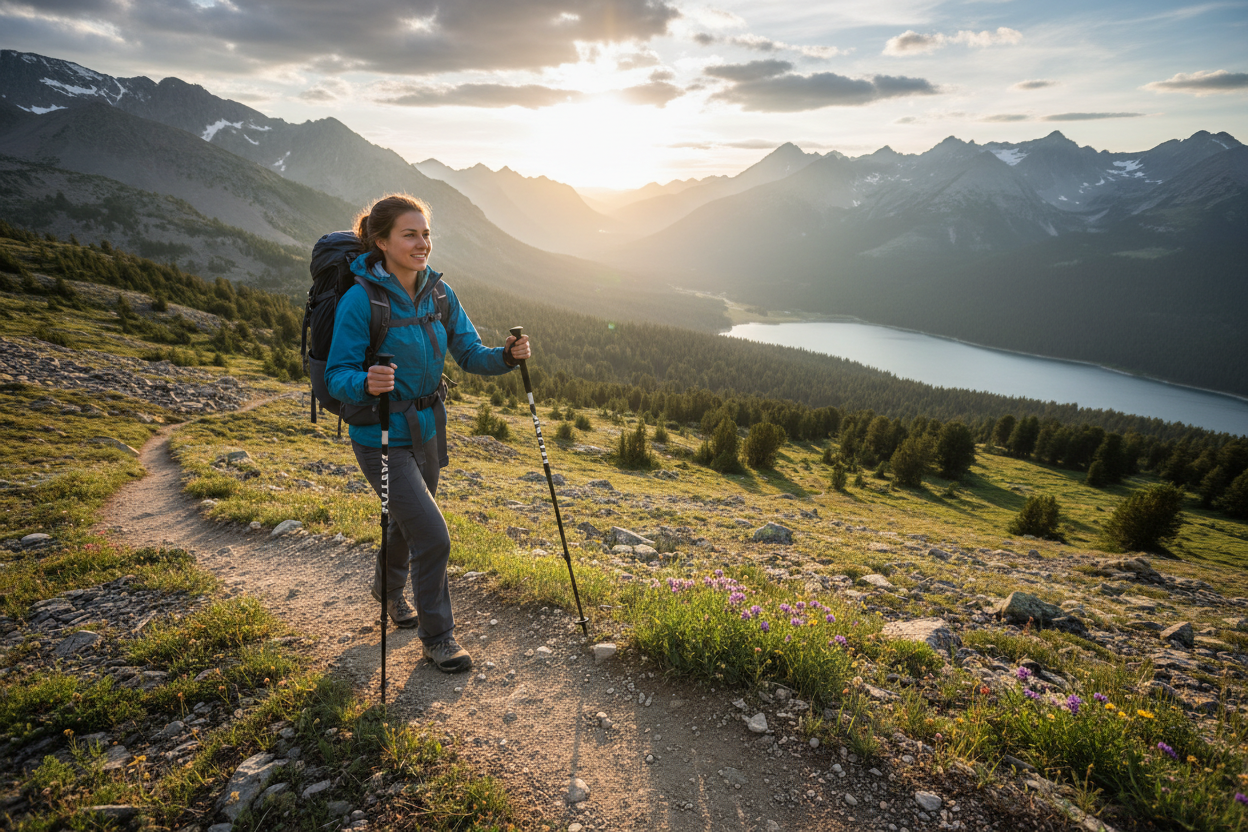
Trekking poles (also called hiking poles) are adjustable supports that help improve balance, reduce strain on your knees, and increase stability on uneven ground. For beginners, they’re especially helpful because they:
-Reduce impact on knees during descents
-Improve balance on rocky, snowy, or muddy trails
-Provide extra support when carrying a backpack
-Help maintain rhythm and posture on long hikes
Whether you’re planning short hikes or using trekking poles for camping, they can make your outdoor experience more comfortable and safer.
Step 1: Choose the Right Type of Trekking Poles
Adjustable vs Fixed-Length Poles
For beginners, adjustable trekking poles are the best choice.
Adjustable poles:
-Allow length changes for uphill and downhill terrain
-Can be shared between users
-Are easier to pack for travel and camping
Fixed-length poles are lighter but less flexible, making them better suited for experienced hikers.
Recommendation: Start with adjustable camping trekking poles for versatility.
Step 2: Pick the Right Material
Aluminum vs Carbon Fiber
Aluminum trekking poles
-Durable and budget-friendly
-Perform well in cold Canadian conditions
-Bend rather than snap under pressure
Carbon fiber trekking poles
-Lighter and reduce arm fatigue
-Absorb vibration better
-Can crack in extreme cold or under heavy stress
For beginners in Canada: Aluminum is often the safer and more affordable option, especially for mixed terrain and colder weather.
Step 3: Understand Grip Materials (Important for Canadian Weather)
The grip plays a big role in comfort, especially during long hikes or wet conditions.
Cork grips: Excellent moisture absorption, comfortable in warm and cool weather
Foam grips: Lightweight and soft, good for summer hiking
Rubber grips: Best for cold temperatures and winter hikes
If you hike year-round in Canada, cork or rubber grips offer the best all-season performance.
Step 4: Choose the Right Pole Length
A properly sized trekking pole reduces strain and improves efficiency.
Basic sizing rule:
When holding the pole, your elbow should form a 90-degree angle on flat ground
Most adjustable hiking poles include measurement markings, making it easy to fine-tune the length.
Tip for beginners:
-Shorten poles when going uphill
-Lengthen poles slightly for downhill sections
Step 5: Look at Locking Mechanisms
The lock keeps your trekking poles at the correct length.
Common lock types:
Flick locks (lever locks) – reliable, easy to adjust with gloves
Twist locks – lighter but can slip in cold or wet conditions
For Canadian hiking and camping, flick locks are more dependable, especially in rain or snow.
Step 6: Consider Baskets and Tips (Often Overlooked)
Trekking poles usually come with interchangeable tips and baskets:
Rubber tips – ideal for pavement or rock
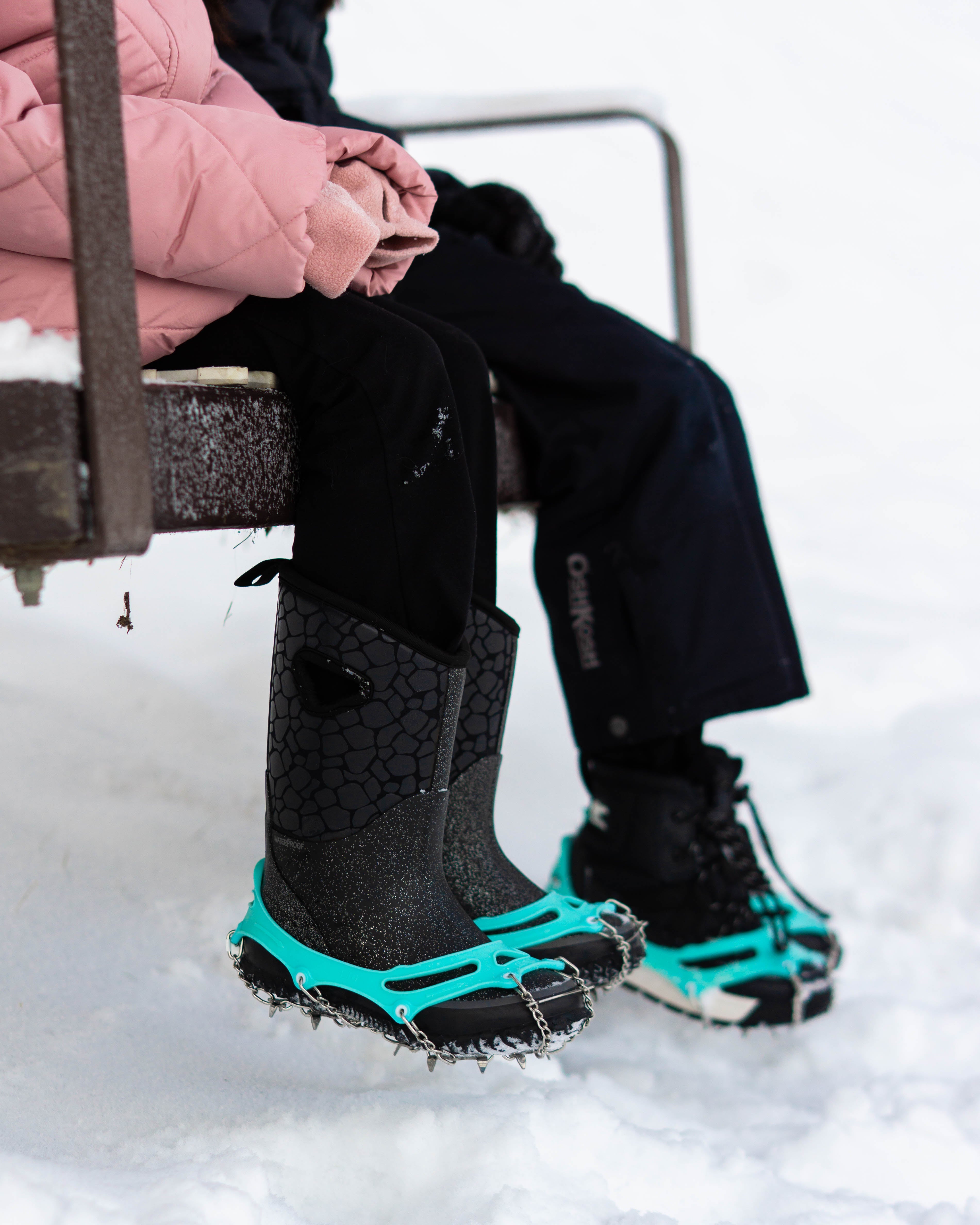
Carbide tips – better grip on dirt and ice
Small baskets – for summer trails
Large baskets – for snow and soft ground
If you plan to use trekking poles for camping across different seasons, having interchangeable baskets is a big advantage.
Step 7: Weight and Packability Matter
For beginners, ultra-lightweight poles aren’t essential but overly heavy poles can cause fatigue.
-Look for a balanced weight, not the lightest option
-Collapsible poles are easier to pack for camping trips
-Three-section poles are common and beginner-friendly
Common Beginner Mistakes to Avoid
-Choosing poles based only on price
-Ignoring grip comfort
-Buying fixed-length poles too early
-Using incorrect pole height
-Skipping baskets for snow or soft trails
Avoiding these mistakes will help you get more value and comfort from your hiking poles.
Are Trekking Poles Worth It for Beginners?
Absolutely. For Canadian hikers dealing with varied terrain, weather changes, and longer trails, trekking poles provide stability, confidence, and injury prevention.
Whether you’re heading out for day hikes, multi-day trips, or setting up a comfortable campsite, camping trekking poles are a smart investment for beginners.
Final Thoughts
Choosing the right trekking poles doesn’t have to be complicated. Focus on adjustability, durable materials, comfortable grips, and reliable locking systems. Once you find a pair that fits your needs, you’ll wonder how you ever hiked without them.
If you’re just starting your outdoor journey, the right trekking poles can make every step easier, no matter where in Canada your trail takes you.

Leave a comment
All comments are moderated before being published.
This site is protected by hCaptcha and the hCaptcha Privacy Policy and Terms of Service apply.