
Canadian winters are no joke. From icy sidewalks in Toronto to snowy trails in Banff, having the right spikes for shoes can make all the difference between a safe winter walk and a painful fall. But with so many traction options like ice spikes, crampons, and snow cleats, many Canadians wonder which one is best for daily use, hiking, work boots, or outdoor adventures.
This guide breaks down the differences so you can choose the right traction gear for your lifestyle, whether you need shoe spikes for ice, boot spikes for ice, or hiking spikes for winter trails.
What Are Ice Spikes?
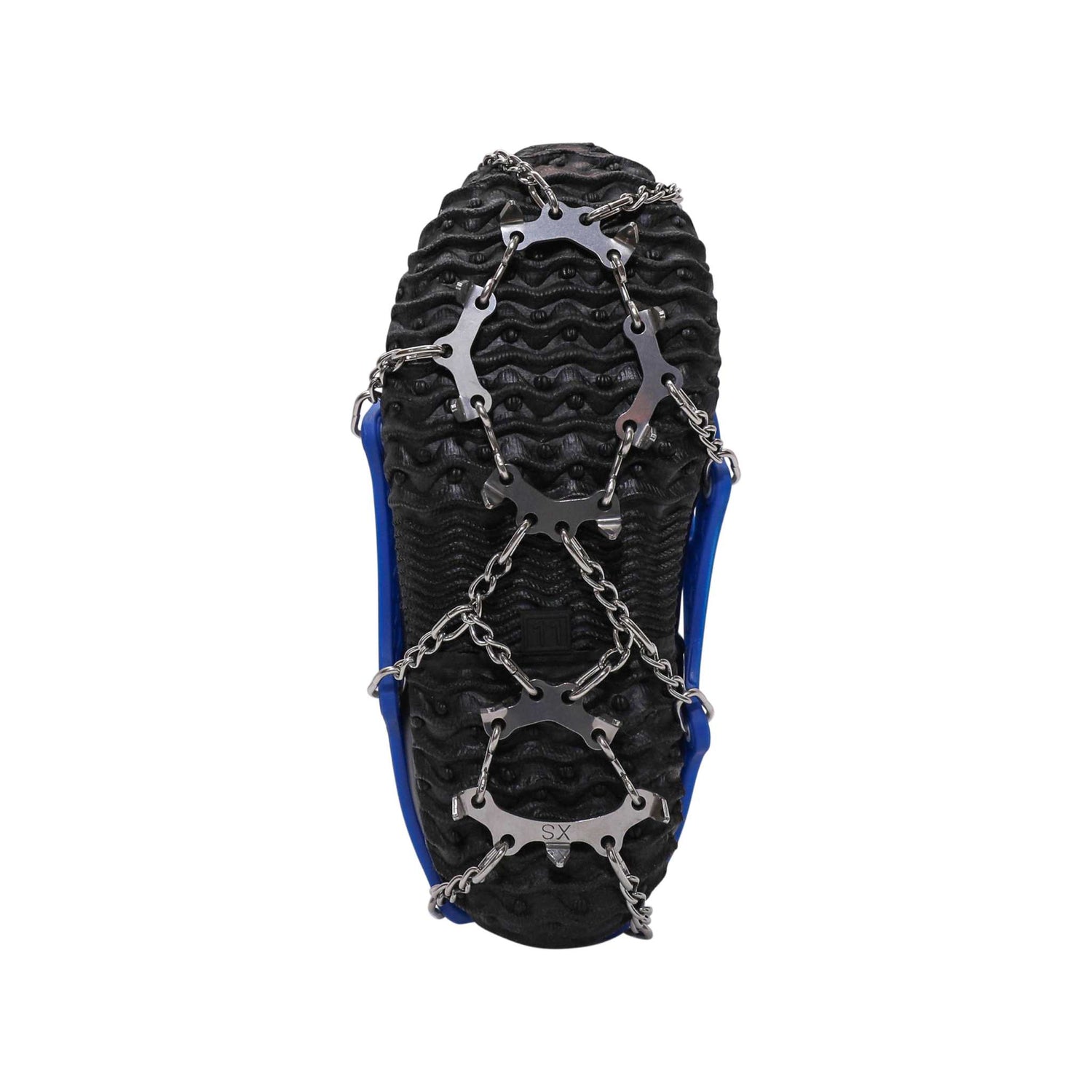
Ice spikes (often called Traction Cleats) are small, lightweight traction devices designed for everyday winter walking. They feature small stainless-steel teeth that grip ice and packed snow.
Best For:
-Walking on icy sidewalks
-Daily commuting
-Light winter hikes
-Seniors needing slip prevention
Canadian Use Case:
Perfect for cities like Toronto, Vancouver, Ottawa, or Calgary where sidewalks and driveways freeze over frequently.
Pros:
-Easy to slip on and off
-Lightweight and portable
-Affordable
-Great for casual use
Cons:
-Not ideal for deep snow
-Not suitable for technical climbing
What Are Snow Cleats?
Snow cleats are rubber or elastomer slip-on devices with either metal coils or small studs. They provide traction mainly for walking on flat or lightly inclined surfaces.
Best For:
-Walking dogs in winter
-Light snow conditions
-Slippery parking lots
-Deliveries and outdoor work
Canadian Use Case:
Commonly used in regions like Ontario, Manitoba, and Quebec where freeze-thaw cycles make sidewalks extremely icy.
Pros:
-Very comfortable
-Good flexibility on slush + ice
-Budget-friendly
-Great for older adults
Cons:
-Not enough grip for hiking trails
-Coils can wear down quickly on pavement
What Are Crampons?
Crampons are heavy-duty traction devices with long, aggressive steel spikes. They are designed for mountaineering, steep terrain, glacier travel, and backcountry ice climbing.
Best For:
-Ice climbing
-Mountain trekking
-Steep winter hiking trails
-Deep wilderness expeditions
Canadian Use Case:
Used in Canadian Rockies, Banff, Jasper, Yoho by trained hikers and climbers.
Pros:
-Deep, maximum traction
-Handles steep, icy slopes
-Extremely durable
Cons:
-Heavy and expensive
-Not suitable for city walking
-Can damage floors or pavements
Ice Spikes vs Snow Cleats vs Crampons: Key Differences
1. Purpose & Usage
Device Daily Walking Hiking Mountaineering Ice-Climbing
Ice Spikes ✔ Excellent ✔ Moderate ✖
Snow Cleats ✔ Good ✖ ✖ ✖
Crampons ✖ ✔ Excellent ✔ ✔
2. Grip Level
Ice Spikes: Medium grip, excellent for compact ice
Snow Cleats: Light grip, ideal for slush and mild ice
Crampons: Maximum grip for extreme slopes
3. Weight & Portability
Ice Spikes: Lightweight, pocket-friendly
Snow Cleats: Light and flexible
Crampons: Heavy and bulky
4. Compatibility with Boots
All three types work with winter footwear, but:
-Ice spikes fit most ice spikes for boots and running shoes
-Snow cleats fit casual shoes easily
-Crampons require rigid hiking or mountaineering boots
Which One Should Canadians Choose?
Choose Ice Spikes If:
You want safe winter walking in icy conditions. Ideal for people living in Toronto, Ottawa, Calgary, Winnipeg, and Montreal where sidewalks freeze daily.
Perfect for:
-Seniors
-Office workers
-Students
-Light hikers
-Commuters
Choose Snow Cleats If:
You walk mostly on snow-covered sidewalks with mild ice. Great for dog walkers or delivery drivers.
Perfect for:
-Dog walking
-Slushy areas
-Mild winter cities like Vancouver
Choose Crampons If:
You’re doing serious winter hiking, ice climbing, or mountain expeditions in places like Alberta, BC, or Northern Quebec.
Perfect for:
-Backcountry hikers
-Climbers
-Mountaineers
-Parks Canada trails
What’s Best for Canadian Conditions?
For most Canadians, ice spikes or shoe spikes for ice are the safest and most practical choice. They offer the best balance of grip, comfort, and everyday usability. Snow cleats are great for simple walking, while crampons should be reserved for trained hikers and mountaineers tackling steep icy terrains.
With the right traction device, you can stay safe, confident, and slip-free through even the harshest Canadian winter.
FAQs (Canada-Focused)
1. Are ice spikes good for Canadian winters?
Yes. Ice spikes offer excellent grip for icy sidewalks, driveways, and light trails, making them perfect for typical Canadian winter conditions.
2. Can I use crampons for walking in the city?
No. Crampons are too aggressive and can damage pavement or indoor floors. They are meant only for mountain or backcountry use.
3. What’s better for seniors : snow cleats or ice spikes?
Ice spikes provide stronger traction and are recommended for seniors who need secure grip on icy surfaces.
4. Do ice spikes fit on winter boots?
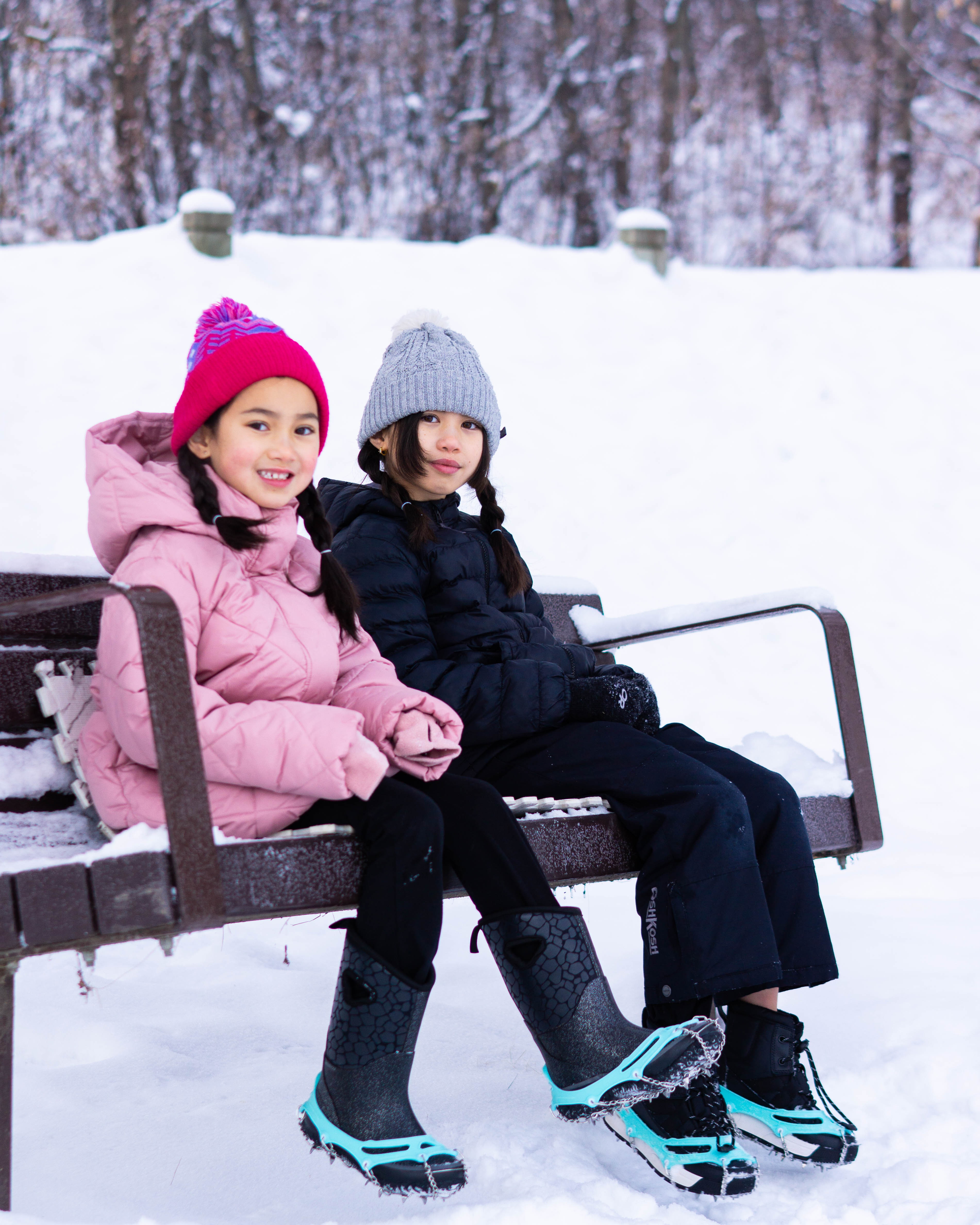
Yes. Most ice spikes for boots are designed to stretch over all types of winter and work boots.
5. Are hiking spikes the same as ice spikes?
“Hiking spikes” usually refer to Ice Spikes, essentially a stronger version of ice spikes, ideal for light to moderate winter hikes in Canada.
6. What’s best for running on ice in Canada?
Ice spikes are recommended because they offer flexibility and grip without restricting movement.
7. Which is safest for extreme cold (–20°C and below)?
Ice spikes or Traction Cleats perform best and stay durable even in extreme Canadian temperatures.


Leave a comment
All comments are moderated before being published.
This site is protected by hCaptcha and the hCaptcha Privacy Policy and Terms of Service apply.