
Camping in the United States offers incredible diversity, from national parks and forests to deserts and coastal areas. For beginners, this variety makes camping exciting but also requires proper planning and awareness. A well prepared camping checklist and the right approach to safety can help you enjoy your trip with confidence.
This guide covers essential camping safety tips and gear every beginner should know before heading out in the USA.
Why Camping Safety Matters in the USA
The United States has a wide range of landscapes and climates. From hot deserts to cold mountain regions, conditions can change quickly depending on where you camp. Many camping locations are also remote, which means help may not be immediately available.
Understanding camping safety essentials and carrying reliable camping safety gear ensures you are ready for any situation. Preparation is key to having a safe and enjoyable outdoor experience.
Essential Camping Safety Checklist
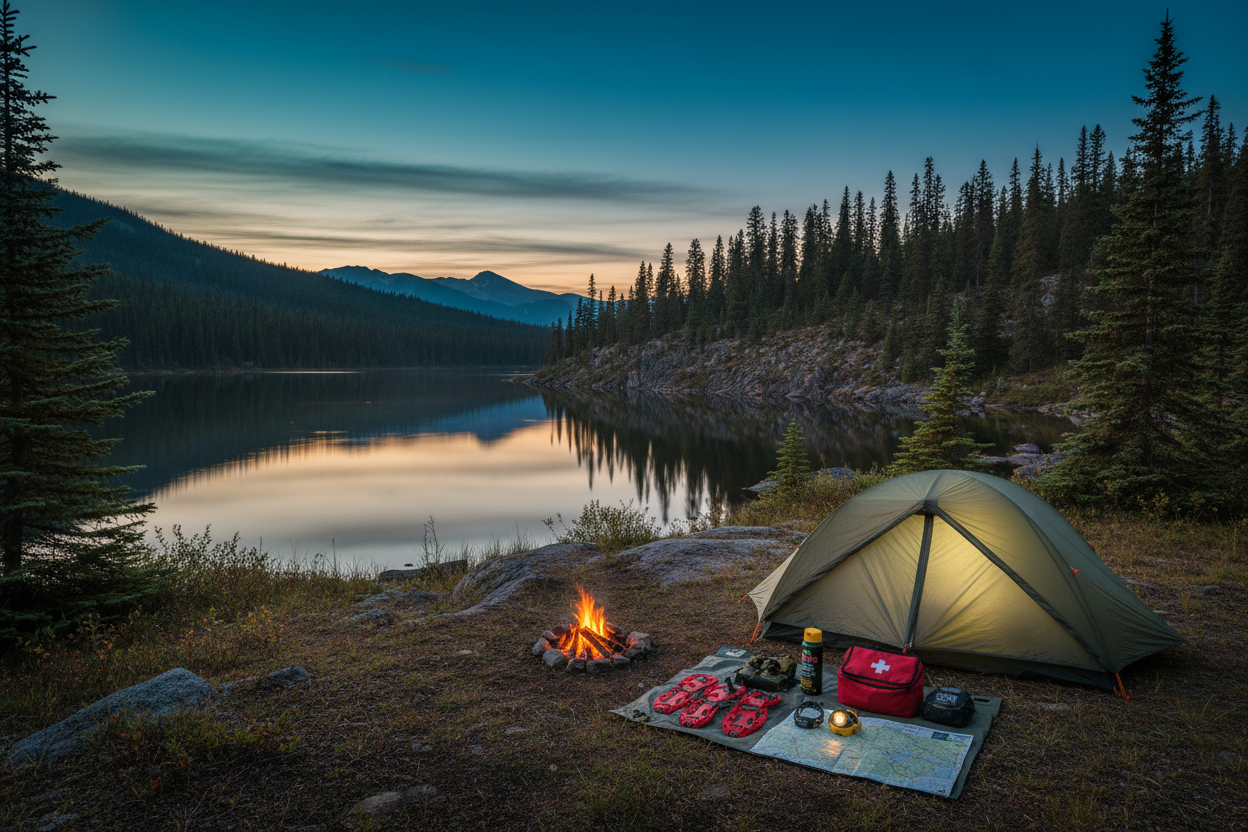
Before your trip, make sure you have all the important items ready. A complete camping checklist helps you avoid common mistakes and keeps you prepared.
• First aid kit with essential medical supplies
• Weather appropriate clothing with extra layers
• Durable tent and comfortable sleeping gear
• Flashlight or headlamp with spare batteries
• Portable cooking equipment
• Sufficient food and drinking water
• Map and compass for navigation
• Multi tool or knife
• Emergency whistle
• Fully charged phone or backup power source
These camping safety essentials form the foundation of a safe camping trip.
Choosing the Right Camping Safety Gear
Having the right camping safety gear is especially important for beginners in the USA due to varying environments.
Choose a tent that matches the weather conditions of your destination. Sleeping bags should be selected based on temperature ratings. In colder areas, proper insulation is essential.
Navigation tools are critical when camping in national parks or remote areas. Do not rely only on your phone, as signal coverage can be limited. Always carry a physical map.
Water safety is also important. Natural water sources may not always be safe to drink, so consider carrying a water filter or purification tablets.
Understanding Weather and Terrain
Weather conditions in the USA can vary significantly by region. It is important to check the forecast before your trip and prepare for sudden changes.
Even in warmer states, nights can become cold, especially in higher elevations. Dressing in layers allows you to adjust to changing temperatures.
Terrain also affects safety. Rocky trails, forested areas, and desert landscapes each require different preparation. Wear sturdy footwear and choose campsites that are safe, dry, and away from potential hazards.
Wildlife Safety Tips for Beginners
The United States is home to a variety of wildlife, including bears, mountain lions, and smaller animals. While encounters are uncommon, taking precautions is essential.
Here are some important safety tips:
• Store food securely and away from your sleeping area
• Avoid leaving food exposed at your campsite
• Make noise while hiking to alert animals of your presence
• Keep a safe distance from wildlife
• Carry bear spray in areas where it is recommended
These steps are important parts of your camping safety essentials and help reduce risks.
Campfire and Cooking Safety
Campfires are a key part of camping in the USA, but they must be managed carefully.
Always follow local fire regulations, especially during dry seasons when fire risks are higher. Use designated fire areas when available and never leave a fire unattended.
Keep water or sand nearby to control flames if needed. When cooking, place equipment on stable ground and avoid using stoves inside enclosed spaces.
Emergency Preparedness
Being prepared for emergencies is an important part of any camping checklist. Even experienced campers plan for unexpected situations.
Inform someone about your camping plans, including your location and expected return time. This simple step can be crucial in case of an emergency.
Carry extra supplies such as:
• Additional food and water
• Extra clothing
• Emergency blanket or shelter
• Basic repair tools
These items can help you handle unexpected situations more effectively.
Final Thoughts
Camping in the United States is a rewarding experience for beginners, offering a chance to explore nature and disconnect from daily routines. By following a well planned camping checklist, using reliable camping safety gear, and understanding key camping safety essentials, you can ensure a safe and enjoyable trip.
Start with simple trips, stay prepared, and build your confidence over time. With the right approach, camping can become one of your favorite outdoor activities.

Leave a comment
All comments are moderated before being published.
This site is protected by hCaptcha and the hCaptcha Privacy Policy and Terms of Service apply.