

Few experiences rival the profound tranquility of spending a night under a canopy of stars, far removed from the relentless hum of modern civilization. The crackle of a campfire, the whisper of wind through the pines, and the crisp morning air all contribute to the magic of the outdoors. However, this idyllic picture is frequently shattered by one grim reality: waking up with a stiff neck, aching joints, and a deeply fatigued body after a miserable night on the hard, unforgiving ground.
For decades, outdoor enthusiasts accepted poor sleep as a necessary tax for enjoying nature. But the landscape of outdoor gear has shifted dramatically. Today, the modern camping cot stands as a testament to the fact that you do not have to sacrifice comfort for adventure. By elevating your sleeping surface, you fundamentally alter your relationship with your campsite. You upgrade your tent from a mere shelter into a restorative sanctuary.
Whether you are an overlander building out your rig, a family setting up a weekend basecamp, or an aging adventurer who refuses to let joint pain end your wilderness excursions, finding the right elevated sleeping platform is paramount. This comprehensive guide will explore every facet of elevated outdoor sleeping, helping you navigate the complex market, understand the structural ergonomics, and ultimately discover the perfect foundation for your best night of outdoor sleep.
The Evolution of Outdoor Sleep: From Ground to Elevation
To truly appreciate the value of a high-quality camping cot, it helps to understand how outdoor sleep gear has evolved. Historically, campers relied on whatever materials they could forage—pine boughs and leaves—to create a barrier between themselves and the cold earth. Eventually, closed-cell foam pads and rudimentary inflatable mats entered the market, offering slight improvements in insulation and cushioning.
However, these traditional methods still left campers grounded. When you sleep on the ground, you are at the mercy of rocks, roots, uneven terrain, and the conductive heat loss that slowly drains your body warmth into the cold earth.
Today, we are in the golden age of luxury car camping sleep systems. Manufacturers are utilizing advanced metallurgical engineering, aerospace-inspired textiles, and ergonomic designs to create sleeping platforms that rival the comfort of your mattress at home. The modern camping cot is no longer just a rigid piece of canvas stretched over heavy wooden or steel poles. It is a highly engineered, sophisticated piece of gear designed to optimize rest and recovery.
Sleeping Pad vs Folding Bed: The Ultimate Showdown
The debate between traditionalists and modern comfort-seekers often boils down to a single comparison: the sleeping pad vs folding bed. Understanding the nuances of this comparison is the first step in deciding what gear belongs in your kit.
The Sleeping Pad Sleeping pads—whether closed-cell foam, self-inflating, or purely air-filled—are designed primarily for insulation and portability. Their main job is to trap a layer of warm air between your body and the ground.
-
Pros: Highly portable, lightweight, excellent at preventing conductive heat loss (if they have a high R-value), and easy to fit into tight spaces.
-
Cons: Susceptible to punctures (in the case of air pads), provide minimal separation from uneven ground, require effort to get up from (especially for those with mobility issues), and often deflate or bottom out for heavier individuals.
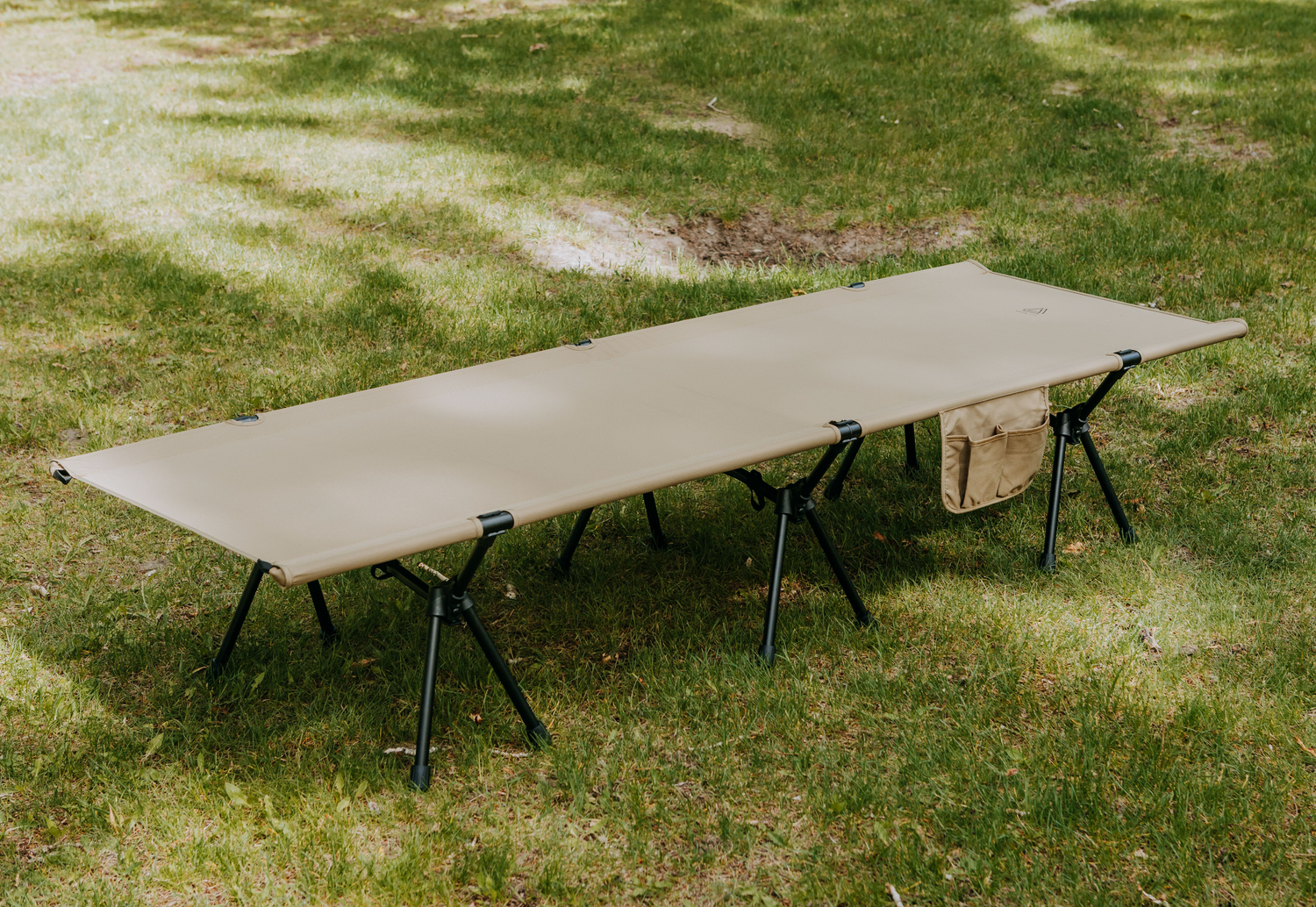
The Folding Bed (Camping Cot) A camping cot is a raised framework—typically metal or wood—supporting a taut piece of fabric.
-
Pros: Total isolation from rocks, roots, and uneven ground. Provides a flat, supportive sleeping surface. Easier to sit on and stand up from. Allows for airflow in hot weather and provides valuable floor space underneath.
-
Cons: Generally heavier and bulkier than pads, can be cold in winter without proper insulation, and requires more vertical space inside a tent.
Ultimately, the choice depends on your camping style. If you are backpacking thirty miles into the wilderness, a lightweight pad is necessary. But if you are driving to your campsite, setting up a hunting basecamp, or attending a multi-day festival, a cot is undeniably superior for sheer comfort and bodily recovery.
The Weight Debate: Are Elevated Beds Worth the Weight?
One of the most common questions raised by campers looking to upgrade their gear is: are elevated beds worth the weight?
The answer is a resounding yes—provided you are engaging in the right type of camping. If you are car camping, overlanding, or setting up a long-term basecamp, the extra pounds in your vehicle's trunk are completely negligible compared to the massive return on investment in your physical well-being. Waking up refreshed and free of pain allows you to hike further, paddle longer, and enjoy your daytime activities with much greater energy.
Furthermore, advancements in gear technology have blurred the lines between heavy basecamp cots and lightweight backpacking gear. If weight is a strict concern but you still demand elevation, the market now offers the ultralight collapsible sleeping frame. These frames utilize specialized tension rods and advanced alloys to create a sturdy bed that weighs less than three pounds and packs down to the size of a water bottle. While they may sit lower to the ground than traditional cots, they prove that you can indeed have elevation without the back-breaking weight.
Ergonomics and Bodily Support
Sleep is not just about closing your eyes; it is about physical recovery. When you hike, chop wood, or wrangle children around a campsite, your muscles and spine undergo significant stress. A proper sleep system must alleviate this stress, not add to it.
Finding the Best Portable Bed for Back Pain
For many, a bad back is the primary barrier to enjoying tent camping. Sleeping on the ground forces the spine into unnatural alignments and creates intense pressure points on the hips and shoulders. Consequently, finding the best portable bed for back pain is a major priority for adult campers.
A high-quality camping cot addresses back pain in several crucial ways:
-
Consistent Tension: Unlike an air mattress that sags in the middle, creating a "taco" effect that strains the lumbar spine, a well-engineered cot provides firm, consistent tension across its surface. This mimics the firm support of an orthopedic mattress.
-
Elevation: The simple act of getting into and out of bed can trigger back spasms for those with chronic pain. A standard cot sits 15 to 20 inches off the ground. This chair-like height allows you to sit on the edge and stand up naturally, sparing your knees and lower back from the deep squats required to get up from a floor pad.
-
Pressure Point Relief: By suspending your body in the air, the fabric of the cot conforms slightly to your body's contours while maintaining its structural integrity.
To maximize back relief, look for cots equipped with adjustable tension systems or those featuring an extra wide heavy duty sleeping platform. The additional width allows you to shift sleep positions naturally during the night without feeling confined, which is vital for spinal health. Furthermore, pairing a firm cot with a supportive memory foam or self-inflating pad creates a hybrid system that offers both rigid skeletal support and plush muscle relief.
Anatomy of the Best Camping Cot
To make an informed purchase, you must understand the engineering behind the gear. The best camping cot is a symphony of materials working together to support dynamic weight loads in unpredictable outdoor environments.
Frame Materials and Construction
The skeleton of your cot determines its weight capacity, portability, and lifespan. The two dominant materials in the industry are steel and aluminum.
Steel Frames Steel is incredibly strong, durable, and generally less expensive. An extra wide heavy duty sleeping platform built from steel can often support upwards of 600 pounds, making it ideal for larger individuals or couples. However, steel is heavy and susceptible to rust if not properly maintained.
Aluminum Frames Aluminum is the gold standard for modern cots. Specifically, you should look for aircraft grade aluminum frame durability. Alloys like 7075 aluminum offer a strength-to-weight ratio that rivals steel but at a fraction of the weight. This material is highly resistant to corrosion and flexes just enough to absorb dynamic movement without snapping. When evaluating a cot's frame, pay close attention to the joints and hinges, as these are the primary points of failure. High-density reinforced nylon or steel-reinforced aluminum hinges are indicators of a top-tier product.
Fabric and Canvas Technology
The sleeping surface itself must balance strength, breathability, and comfort.
-
Traditional Cotton Canvas: Extremely durable and slightly softer to the touch, but heavy, slow to dry, and prone to mildew if stored damp.
-
Ripstop Polyester/Nylon: The modern standard. Materials like 600D (Denier) ripstop polyester are incredibly resilient, water-resistant, and do not stretch out over time. They are easy to wipe clean and dry quickly in the sun.
-
Mesh Panels: Some cots incorporate heavy-duty mesh to increase airflow, which is an absolute game-changer for hot, humid summer nights.
The Legs and Feet
A cot's legs dictate its stability and how it interacts with your tent floor.
-
X-Frame/Scissor Legs: Common on traditional folding cots. They are incredibly stable and easy to deploy, but they can be bulky.
-
U-Shaped Legs: Often found on lighter cots. They distribute weight evenly across a bar rather than a single point, which is gentler on tent floors.
-
Peg Legs: Found on military-style cots and ultralight models. Pro Tip: If your cot has peg legs with small rubber feet, place furniture coasters, tennis balls with a slit cut in them, or dedicated cot booties over the feet. This prevents the high-pressure points from tearing through your expensive tent floor.
Navigating the Different Types of Cots
The camping cot market is incredibly diverse. Understanding the specific sub-categories will help you align your gear with your specific camping style.
The Classic Military-Style Cot
Renowned for its indestructible nature, this cot features an X-frame and end-bars that lock the canvas into a drum-tight tension. They are heavy, incredibly supportive, and require a specific technique to assemble.
The Ultralight Backpacking Cot
The ultralight collapsible sleeping frame has revolutionized backcountry comfort. Weighing between 2 and 4 pounds, these cots use shock-corded aluminum poles (similar to tent poles) and high-tension bows to support the fabric. They pack down small enough to fit inside a backpack, allowing wilderness campers to enjoy elevated sleep miles from the nearest road.
The Heavy-Duty / Oversized Cot
For big and tall campers, standard cots (which often measure around 25 inches wide) can feel like balancing on a tightrope. An extra wide heavy duty sleeping platform typically measures over 30 to 35 inches in width and features reinforced steel or oversized aluminum tubing. These provide the necessary real estate to sprawl out and roll over comfortably without the fear of tipping the cot over.
The Double-Wide / Couples Cot
Camping with a partner shouldn't require sleeping in separate beds. The double wide portable folding frame is designed to accommodate two sleepers. Caveat: When purchasing a double cot, look for designs that manage the "roll-together" effect. The best double cots feature a reinforced central support beam. While you cannot sleep directly in the middle of the bed, it ensures that one partner's movements do not bounce the other partner out of bed.
The All-in-One: Camping Cot with Mattress
For those seeking the pinnacle of outdoor luxury, the camping cot with mattress combo is the ultimate investment. These systems come with a perfectly fitted, dense foam or inflatable mattress that integrates directly into the cot frame. Sometimes, these systems include a zip-on sleeping bag and a matching pillow, effectively creating a portable bed that rivals a high-end hotel experience.
Space Management: Maximizing Your Tent’s Real Estate
One of the most overlooked benefits of transitioning from a floor pad to a camping cot is the drastic improvement in campsite organization and space management. However, introducing large pieces of furniture into a fabric shelter requires some logistical foresight.
Revolutionizing Space with Under Bed Storage
When you sleep on a pad, the footprint of your bed consumes the floor, and your gear (duffel bags, backpacks, shoes, dog beds) ends up piled in the corners or awkwardly beside your head.
Cots change this dynamic entirely by enabling under bed storage for tent camping. A standard cot creates 15 to 18 inches of vertical clearance beneath it. This empty volume is a veritable goldmine for organization. You can slide your heavy duffel bags, hard-sided coolers, storage bins, and muddy boots completely out of sight and out of the way. This leaves the center floor of your tent wide open, allowing you to stand, change clothes, and move around freely without tripping over your gear. Utilizing this under-bed space effectively doubles the usable square footage of your tent.
Integrating Gear Organizers
To further elevate your organization, look for cots that feature integrated side pocket organizers for gear. These hanging caddies attach to the rail of your cot and hang down the side. They are perfect for storing items you need quick access to in the middle of the night: your smartphone, a headlamp, glasses, a book, a water bottle, or even a can of bear spray. Having these essentials organized and within an arm's reach prevents the frantic, blinding search for a flashlight when nature calls at 3:00 AM.
Fitting Oversized Sleepers in Small Tents
While cots save floor space, they introduce a new geometric challenge: wall slope. Tents—particularly dome tents—do not have vertical walls; they slope inward as they rise.
The challenge of fitting oversized sleepers in small tents using elevated cots requires careful measurement. If you place a high-profile cot near the edge of a steeply sloped dome tent, your face and feet will constantly rub against the tent fabric. This is not only claustrophobic but can also cause condensation from the tent wall to soak into your sleeping bag.
Solutions for tight fits:
-
Choose a Cabin Tent: If you are committed to large, high-profile cots, upgrade to a cabin-style tent with near-vertical walls.
-
Opt for Low-Profile Cots: If you are using a smaller dome tent, consider an ultralight collapsible sleeping frame or a low-profile cot. These sit only 5 to 8 inches off the ground, keeping you in the wider, lower section of the tent while still providing the benefits of elevated tension.
-
Center Placement: If you must use a high cot in a dome tent, place it dead center where the ceiling is highest, and utilize the tight wall spaces for low-profile gear storage.
Thermal Regulation: Defeating the Cold
Perhaps the most critical—and often misunderstood—aspect of cot sleeping is thermal regulation. Campers who switch from sleeping pads to cots often make a rude discovery on their first chilly night: cots can be incredibly cold.
To understand why, we have to look at how the body loses heat. When you sleep on the ground, you lose heat through conduction (direct contact with the cold earth). When you sleep on a cot, you are suspended in the air. If the air temperature drops, the cold air circulates freely beneath your cot, stripping away your body heat through convection. Because the fabric of the cot offers zero insulation, the bottom of your sleeping bag compresses under your body weight, leaving you with virtually no thermal protection against the freezing air circulating below you.
How to Stay Warm on Elevated Surface Environments
If you are wondering how to stay warm on elevated surface setups, the solution is straightforward: you must insulate the space between your body and the cot fabric.
-
The Foam Pad Trick: The simplest and most cost-effective method is to lay a basic closed-cell foam pad directly on top of the cot. This provides a cheap, indestructible layer of insulation that blocks the cold air from freezing your backside.
-
Underquilts: Borrowing a technique from the hammock camping community, you can string a blanket or a specialized underquilt beneath the cot. This traps a pocket of warm, dead air directly below the sleeping surface.
-
Insulated Blankets: Laying a thick wool blanket or a heavy mover's quilt over the cot before placing your sleeping bag down acts as a superb thermal barrier.
Maximizing Self-Inflating Mattress Topper Compatibility
For the ultimate blend of warmth and comfort, you need to leverage self inflating mattress topper compatibility. A self-inflating mattress features an open-cell foam core encased in an airtight shell. When placed on top of a taut camping cot, it creates a magical synergy.
The cot provides the rigid, elevated structural support, while the self-inflating mattress provides plush, pressure-relieving cushioning and, crucially, high R-value insulation. When choosing a topper, look for one with an R-value of 4.0 or higher for three-season camping, or 6.0+ for winter camping. Many high-end cots feature corner straps specifically designed to lock self-inflating pads in place, ensuring they do not slide off during the night.
By combining a sturdy frame with a high-quality insulated pad, you effectively construct a camping cot with mattress system that will keep you toasty warm even when the frost settles on your tent.
Setup and Takedown Mastery
A common grievance regarding camping cots is that they can be incredibly frustrating to assemble. While scissor-style folding cots open effortlessly like a camp chair, traditional end-bar cots (often referred to as military cots) require a bit of technique.
If you try to brute-force the assembly of a taut canvas cot, you will likely end up with pinched fingers, scratched paint, and soaring blood pressure.
Step-by-Step: How to Set Up Military Style Bed
Knowing exactly how to set up military style bed frames will save you time and frustration. The trick lies in leverage, not muscle.
-
Unfold the Main Frame: Expand the accordion-style legs and lay the cot flat on the ground. Ensure the fabric is spread evenly.
-
Insert the First End Bar: Slide the first end bar through the sleeve at the head of the cot. Secure the holes on the bar onto the protruding pegs of the main frame. This side is easy because there is no tension yet.
-
Insert the Second End Bar: Go to the foot of the cot and slide the second end bar through the sleeve.
-
Secure the First Peg (The Crux): Hook one end of this second bar onto the frame peg. You now have one final peg to attach, and the fabric will seem impossibly tight.
-
Use Leverage: Do not try to pull the bar horizontally. Instead, use the bar itself as a lever. Rest the hole of the bar against the top of the peg. Place your foot securely on the bottom leg of the cot to stabilize it. Grip the end bar and pull it upward and backward in a rolling motion, using the peg as a fulcrum. As you lever it over, the hole will naturally slide down onto the peg, locking it into place.
-
Pro Tip for New Cots: Brand new canvas is incredibly stiff. Set your cot up at home in a warm living room a few days before your trip. Spritzing the canvas lightly with water can help it stretch and seat properly for the first time.
For those who simply want to avoid the hassle altogether, the modern market offers lever-lock mechanisms. These cots feature a built-in lever arm on the final joint. You simply hook the lever and press it down with the palm of your hand, using mechanical advantage to snap the cot into a drum-tight configuration with zero effort.
Care, Maintenance, and Longevity
Investing in the best camping cot means treating it like an investment. With proper care, a high-quality cot will last for decades, becoming a trusted companion on countless adventures. Neglect it, and it will quickly succumb to rust, mold, and mechanical failure.
Cleaning and Maintaining Canvas Sleep Gear
The sleeping surface of your cot is exposed to sweat, dirt, campfire smoke, and occasional spills. Knowing the proper methods for cleaning and maintaining canvas sleep gear is essential for hygiene and material longevity.
Routine Cleaning After a camping trip, never pack your cot away immediately. Set it up in your backyard or garage.
-
Brush it Off: Use a stiff-bristled brush to sweep away loose dirt, dried mud, and pine needles.
-
Spot Clean: For small stains or sap, use a mild mixture of warm water and a non-detergent soap (like castile soap). Apply the soapy water with a sponge and scrub gently. Avoid harsh chemical cleaners or bleach, as these will strip the water-resistant coatings and degrade the fabric fibers.
-
Rinse and Dry: Wipe away the soap with a clean, damp cloth.
-
The Most Important Step: Allow the cot to air-dry completely in direct sunlight. UV rays act as a natural antibacterial agent. Packing away a cot that is even slightly damp is a guaranteed way to cultivate mildew and mold, which will rot traditional canvas and permanently stain synthetic fabrics.
Deep Cleaning At the end of the camping season, give your cot a deeper clean. If the fabric is removable (as is the case with many tension-bow cots), you may be able to hand-wash it in a bathtub. If it is permanently attached, hose it down in the driveway, scrub it gently with mild soap, rinse thoroughly, and let it bake in the sun until bone dry.
Caring for the Frame
While focusing on the fabric is important, the frame requires attention as well.
-
Lubricate Hinges: Once a year, apply a dry silicone spray to the hinges and locking mechanisms. Avoid oil-based lubricants like WD-40, as they attract dust and dirt, eventually creating a gritty paste that wears down the joints.
-
Prevent Rust: If you have a steel frame and notice a scratch in the powder coating, touch it up with rust-inhibiting paint or clear nail polish immediately. For those relying on aircraft grade aluminum frame durability, rust is not an issue, but aluminum can corrode (oxidize) if exposed to salt water. If you camp near the ocean, always wipe your aluminum frame down with fresh water when you return home.
-
Check Foot Caps: Regularly inspect the rubber or plastic caps on the feet of your cot. If they crack or wear through, the exposed metal will swiftly destroy your tent floor. Replace them promptly if damaged.
The Ultimate Buyer’s Guide: Choosing the Right Cot for You
With a thorough understanding of materials, mechanics, and logistics, you are now equipped to make an informed decision. To streamline the process, use this checklist to match your specific needs with the perfect cot.
1. Identify Your Primary Use Case
-
Car Camping / Basecamp: Weight and packed size do not matter. Prioritize comfort and stability. Look for an extra wide heavy duty sleeping platform or a camping cot with mattress combination.
-
Backpacking / Bikepacking: Weight is everything. You must look for an ultralight collapsible sleeping frame weighing under 4 pounds.
-
Overlanding: Space in the vehicle is at a premium, but weight is less of a concern. Look for robust, low-profile cots that pack down into sleek, cylindrical carrying cases.
2. Measure Your Tent (and Yourself)
Never buy a cot without measuring your tent floor first. Ensure there is enough room not just for the cot, but for you to move around it. Remember the wall slope! If you are over 6 feet tall, do not buy a standard 75-inch cot; your head and feet will hang over the metal bars. Look for "XL" or "Oversized" models that run 80 to 85 inches long.
3. Assess Your Physical Needs
If you are searching for the best portable bed for back pain, prioritize firm, drum-tight tension. Look for lever-lock cots that guarantee a sag-free surface. Avoid bungee-cord suspension cots, as these stretch out rapidly and create a hammock-effect that will torture a bad lower back. Consider pairing a firm cot with an orthopedic self-inflating topper for maximum relief.
4. Evaluate the Setup Mechanism
Be honest with yourself about your patience and hand strength. If you struggle with grip strength or simply despise fighting with your gear after a long day of driving, avoid traditional military end-bar cots. Spend a little extra money on a cot with a mechanical lever-arm, or a simple fold-out scissor frame.
5. Plan for the Weather
If you camp exclusively in the dead of summer, a cot with a breathable mesh body will keep you incredibly cool. If you are a three-season or winter camper, ensure the cot you choose has a flat enough surface to accommodate a thick sleeping pad, and look into the thermal strategies discussed earlier to ensure you don't freeze from below.
6. Consider the Extras
Do you want a streamlined, minimalist frame, or do you appreciate creature comforts? Keep an eye out for models that include integrated side pocket organizers for gear, attachable gear lofts, or even built-in nightstand tables. These small features often make a massive difference in the overall livability of your tent.
Elevating the Overall Campsite Experience
A comfortable camping cot is the cornerstone of a luxury sleep system, but it is only one piece of the puzzle. To truly revolutionize your outdoor sleeping experience, you must view your cot as the foundation of a comprehensive sleep environment.
The Role of Bedding Ditching the restrictive mummy sleeping bag is one of the most liberating changes you can make when moving to a cot. Because a cot provides a wide, flat, bed-like surface, you can transition to rectangular sleeping bags, or better yet, traditional sheets and a plush duvet. The luxury car camping sleep systems currently trending often ditch the sleeping bag entirely in favor of specialized, temperature-regulating camp quilts and high-loft down blankets that mimic your bedding at home.
The Importance of a Pillow Do not ruin the perfect spinal alignment provided by a premium cot by resting your head on a lumpy stuff sack filled with dirty clothes. Invest in a dedicated camp pillow. Whether it is a compressible foam pillow or a hybrid memory-foam/inflatable pillow, having proper cervical support is the final step in conquering back and neck pain in the backcountry.
Leveling the Playing Field A cot is only as comfortable as the ground beneath it is level. If you pitch your tent on a steep incline, you will spend the entire night slowly sliding down your slippery nylon sleeping bag, eventually cramming your toes against the bottom bar of the cot. Always take an extra five minutes to find the most level ground possible for your tent. If slight unevenness is unavoidable, always position your cot so that your head is slightly uphill from your feet.
Conclusion: The Foundation of Adventure
The philosophy of outdoor recreation is shifting. The old badge of honor associated with "roughing it" and suffering through a sleepless, agonizing night on the cold ground is fading. Today, we recognize that true adventure is fueled by proper rest, recovery, and self-care.
Choosing the right camping cot is not an admission of weakness; it is a tactical decision to optimize your outdoor experience. By understanding the structural differences between an ultralight collapsible sleeping frame and an extra wide heavy duty sleeping platform, you can tailor your gear to your exact pursuit. By mastering how to stay warm on elevated surface conditions and utilizing under bed storage for tent camping, you transform a cramped nylon shelter into a comfortable, organized, and climate-controlled bedroom in the wild.
Whether you are treating chronic back pain with a meticulously tensioned frame, accommodating a partner on a double wide portable folding frame, or simply seeking the plush comfort of a camping cot with mattress integration, the right elevated sleep system is out there waiting for you.
Invest the time to evaluate your needs, measure your space, and select a cot that features durable materials like aircraft grade aluminum frame durability and robust canvas. Care for it properly, master its setup, and it will reward you with years of unparalleled comfort. When you elevate your sleep, you elevate your entire outdoor experience, ensuring that every morning in the wilderness begins not with groans and stiff joints, but with energy, enthusiasm, and a readiness to explore.



Leave a comment
All comments are moderated before being published.
This site is protected by hCaptcha and the hCaptcha Privacy Policy and Terms of Service apply.