
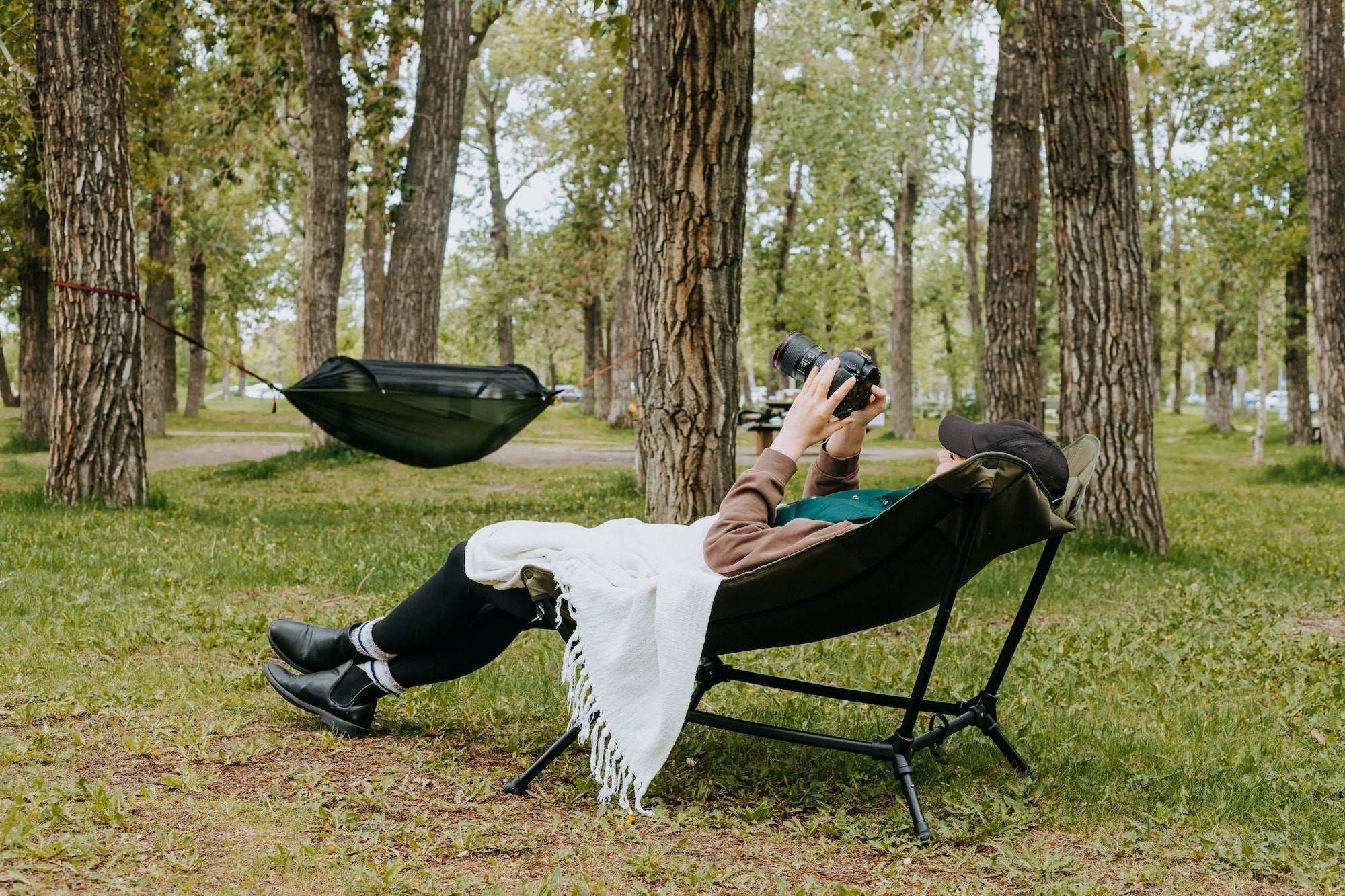

The short answer: For icy sidewalks, parking lots and your commute, get low-profile ice cleats (also called city or urban spikes). For winter hiking, trail running and ice fishing, get stainless steel ice spikes (also called trail spikes or microspikes). For steep alpine terrain and glaciers, you need real mountaineering crampons, which are a different tool. The rest of this guide explains why, and how to pick the right size.
Every Canadian winter brings freeze-thaw ice, black ice on the driveway and packed snow that turns into a skating rink by February. We've made winter traction at Yatta Life for years, from Calgary sidewalks to Algonquin trails. This guide covers what we've learned about picking traction that keeps you upright.
Ice spikes vs ice cleats vs microspikes vs crampons: what's the difference?
Stores and search results use these names loosely, which is why shopping for winter traction is so confusing. Here's what each term usually means.
| Type | Also called | Spike length | Best for | Not for |
|---|---|---|---|---|
| Ice cleats | City spikes, urban spikes, ice grips, ice grippers, snow grips | Short studs or low spikes | Sidewalks, driveways, parking lots, commuting, dog walks | Steep trails, deep snow |
| Ice spikes | Trail spikes, microspikes, chain traction, crampon ice grips | About 10–15 mm, on chains | Winter hiking, trail running, ice fishing, icy hills | Technical climbing, vertical ice |
| Hiking crampons | Strap-on crampons, instep crampons | 15–25 mm on a frame | Steep, hard-packed snow and mixed alpine trails | Everyday sidewalks (overkill) |
| Mountaineering crampons | Technical crampons | 25 mm+ with front points | Glaciers, ice climbing, alpine routes | Anything without proper training and boots |
Most people only ever need the first two. If you're unsure, think about where you'll walk most. If it's mostly pavement, choose ice cleats. If it's mostly trail, choose ice spikes.
Why spikes work when boot treads don't
Rubber soles grip by friction. On ice there's a thin layer of meltwater between your boot and the surface, and friction drops close to zero. That's why even "winter" treads slide. Metal spikes don't rely on friction. They pierce that layer and dig into the ice itself, the same way skate blades and tire studs do. Even the best winter boots slip on black ice for this reason, and traction devices are what fix it.
Which winter traction do you need? A quick chooser
- "I just don't want to fall on my sidewalk, driveway or walk to the bus." Choose low-profile ice cleats like City Spikes or Urban Spikes.
- "I run outside all winter." On roads and paths, choose Urban Spikes. On packed-snow trails, choose Trail Spikes.
- "I hike icy trails and frozen waterfalls." Choose stainless steel chain spikes like Ice Spikes or Trail Spikes.
- "I want a more locked-in fit for rough terrain or shovelling." Choose Mount Tracks + Ice Grips, which add a Velcro strap and a hinged front plate.
- "My kids keep slipping on the way to school." Choose SureStep Kids Ice Cleats.
- "I'm climbing a glacier." Choose rated mountaineering crampons and a guide. Slip-on traction isn't built for that.
The Yatta Life winter traction lineup, compared
| Model | Type | Key specs | Best for | Price (CAD) |
|---|---|---|---|---|
| City Spikes | Ice cleat | 10 heavy-duty steel spikes, flexible TPR harness | Sidewalks, errands, everyday winter walking | $26.00 |
| Urban Spikes | Low-profile running cleat | Steel spikes, elastomer harness, carry case | Road running, commuting, walking around town | $45.00 |
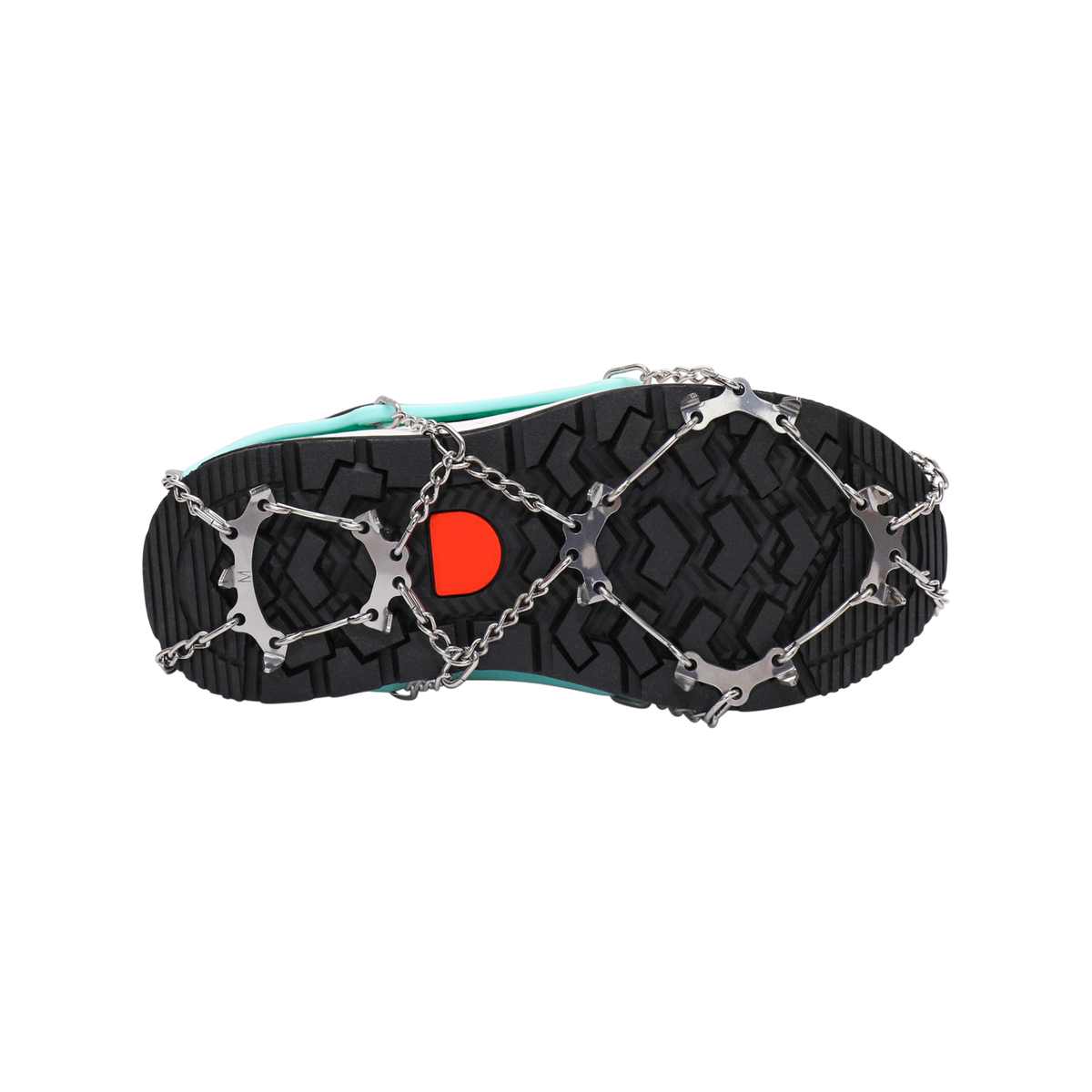
| Ice Spikes | Chain ice spike | 15 mm stainless steel spikes, welded chains, harness tested to –40 °C, 300–340 g per pair | Winter hiking, icy hills, ice fishing, dog walks | $65.00 |
| Mount Tracks + Ice Grips | Chain ice spike + strap | 13 stainless steel spikes (15 mm), Velcro strap, hinged front plate | Rough terrain, wet rock, shovelling, secure fit | $60.00 |
| Trail Spikes | Trail microspike | Stainless steel spikes on a flex-chain, high-density elastomer harness, storage pouch | Trail running, winter hiking, snowshoe trails | $80.00 |
| SureStep Kids | Kids' ice cleat | 13 stainless steel spikes (7 mm), tested to –40 °C, 170–180 g | School walks, playgrounds, family hikes | $40.00 |
See them all together in our winter traction collection, or jump to our ranked picks in Best Ice Cleats & Ice Spikes in Canada (2026).

Ice Spikes (black, blue and pink)
This is our best all-rounder. Yatta Life Ice Spikes use 15 mm stainless steel teeth on welded stainless chains. The TPR harness is tested to –40 °C, so it won't stiffen or snap on a January morning on the Prairies. They stretch over hiking boots, winter boots and running shoes in a few seconds. Choose black, blue or pink.
City Spikes and Urban Spikes
Ice cleats for life in town. City Spikes are our most affordable option. They're easy to slip on for the walk to the car or a trip to the mailbox. Urban Spikes are lower profile, so you walk and run more naturally on cleared pavement mixed with ice. They come with a case to keep in your bag or desk.
Trail Spikes
Trail Spikes are built for moving fast on packed snow and ice. Stainless steel spikes sit on a flexible chain that moves with your foot, so your stride feels natural when you run. They're the pick for winter trail runners and anyone covering a lot of distance.
Mount Tracks + Ice Grips
Mount Tracks add a Velcro strap over the top of the foot and a hinged front plate that flexes with your sole. That extra lock-down helps on uneven ground, wet rocks and jobs like shovelling and chopping wood, where you twist and pivot.
What to look for when buying ice spikes or ice cleats
- Stainless steel spikes and chains. Canadian winters mean salt, slush and meltwater. Stainless resists rust far better than plain or coated steel.
- A cold-rated harness. Cheap rubber goes stiff and cracks in deep cold. Look for TPR or silicone elastomer rated well below freezing. Ours are tested to –40 °C.
- The right spike length. Short studs (a few mm) are best for pavement. 10–15 mm spikes on chains are best for trails and thick ice.
- Welded chains. Welded links don't open up under load the way bent links can.
- Secure fit. The harness should snap back firmly around the heel and toe. A strap helps if you're on uneven ground.
- Weight. Around 300–350 g per pair is light enough that most people stop noticing them.
- Accurate sizing. Spikes that are too loose roll under your foot. Spikes that are too tight are hard to stretch on with cold hands.
How to size and fit ice spikes
Size by the footwear you'll wear them on, not just your shoe size. Here's the size chart for our Ice Spikes:
| Size | EU | US Men | US Women | Weight / pair |
|---|---|---|---|---|
| S | 33–36 | 3–5 | 4.5–6.5 | 300 g |
| M | 36–40 | 5–7 | 6.5–8.5 | 320 g |
| L | 40–44 | 7–10 | 8.5–11.5 | 330 g |
| XL | 44–48 | 10–12 | 11.5–13.5 | 340 g |
Between sizes, or wearing bulky insulated winter boots? Size up. Each product page has its own size chart, so check it before you order. For more detail, see How to Properly Fit Ice Cleats on Shoes.
How to put on ice spikes in 10 seconds
- Hold the spikes with the toe end facing forward and the spikes facing down.
- Hook the toe loop over the front of your boot.
- Stretch the harness back and pull it up over your heel.
- Centre the chains under your sole and tighten the strap if your model has one.
- Take a few test steps. The spikes shouldn't shift sideways.
The best winter traction by activity
Walking on icy sidewalks and commuting
Choose ice cleats like City Spikes or Urban Spikes. They're quick to put on at the door, and light enough to stash in a coat pocket when you get to the office. Take them off before you step onto tile or polished floors, where metal slides.
Winter running
On cleared roads with icy patches, low-profile Urban Spikes feel the most natural. On packed snow and trails, choose Trail Spikes. Shorten your stride and land under your hips on ice. For more tips, read Be Prepared for Winter Running and Top Tips for Winter Running in Calgary.
Winter hiking
Chain ice spikes are standard gear on popular Canadian winter trails like Johnston Canyon in Banff, Grotto Canyon in Kananaskis, Gatineau Park and the Bruce Trail. Bring them even if the trailhead looks clear, because shaded sections and canyon floors stay icy for months. Pair them with gaiters to keep snow out of your boots and trekking poles for balance. For more ideas, see 9 of the Best Winter Hikes in Canada and 5 Winter Hiking Tips You Need to Know.
Ice fishing
Bare lake ice is some of the slickest ground you'll ever stand on, especially after wind polishes it. Stainless Ice Spikes grip that kind of ice and won't rust from slush and auger water. Always check local ice-thickness guidance before going out.
Dog walks, shovelling and work outdoors
If a dog pulls you sideways or you're twisting with a shovel, the strap on Mount Tracks keeps everything in place. If you work outside on ice, also read Industrial Ice Cleats for Reducing Slips and Falls.
Ice cleats for seniors and kids
Falls are the leading cause of injury-related hospitalization for older Canadians, and winter ice is a big part of that risk. For older walkers, choose ice cleats that are easy to put on, like City Spikes. Put them on while sitting, and always take them off before going indoors. Read more in Elderly-Friendly Ice Cleats for Winter Walking.
For kids, SureStep Kids Ice Cleats have 13 short 7 mm stainless steel spikes. They're light at 170–180 g, and the harness is tested to –40 °C. They fit footwear from US toddler 9 to kids 7, which makes them good for the walk to school, playgrounds and family hikes.
Care, storage and when to replace your spikes
- Rinse after use to remove road salt and grit, then dry with a towel.
- Store them dry in their pouch or case, away from direct heat like heaters and car dashboards.
- Avoid long stretches of bare pavement. Concrete and asphalt dull spikes quickly. Take them off when the path is clear.
- Inspect before each season. Replace them if spikes are worn round, links are damaged, or the harness has cracks or has lost its stretch.
Winter traction: frequently asked questions
What's the difference between ice spikes and ice cleats?
Ice cleats usually have short studs or low spikes and are designed for walking on icy sidewalks and pavement. Ice spikes (also called microspikes or trail spikes) have longer stainless steel spikes on chains, around 10–15 mm, for hiking, trail running and thick ice.
Are microspikes the same as crampons?
No. Microspikes are slip-on chain traction with short spikes for trails and icy walking. Crampons have longer points on a rigid or semi-rigid frame and are built for steep snow, glaciers and climbing.
Can you wear ice spikes on concrete or indoors?
Take them off before going indoors. Metal spikes are slippery on tile and polished floors and can damage them. Short stretches of pavement are fine, but long walks on bare concrete wear the spikes down faster.
Can you drive with ice cleats on?
No. Remove ice cleats or spikes before driving. They can catch on pedals and reduce your feel for the brake and accelerator.
Do ice spikes work on black ice?
Yes. Black ice is where spikes help most. Rubber soles lose friction on the thin water layer on top of the ice, but metal spikes dig through it into the ice underneath.
Are ice spikes good for running?
Yes. Lightweight chain spikes like Trail Spikes and low-profile cleats like Urban Spikes are made for running on packed snow and ice. Shorten your stride and land under your body for the best grip.
What size ice spikes should I get?
Size by the footwear you'll wear them on. For bulky insulated winter boots, or if you're between sizes, choose the next size up.
Do ice cleats work in deep snow?
Not well. Spikes and cleats are made for ice and packed snow. In deep or fresh powder, snowshoes are the better tool.
How long do ice spikes last?
With regular rinsing and limited walking on bare pavement, a good stainless steel pair can last several winters. Replace them when the spikes are worn down or the harness cracks.
Do you ship ice spikes across Canada?
Yes. Yatta Life ships across Canada, with free shipping on orders over $100. Canadian orders usually arrive in 5–7 business days.
Stay on your feet this winter
You can't control the freeze-thaw cycle, but you can control what's on your feet. Pick ice cleats for the city, ice spikes for the trail, and size up for bulky boots. Shop the full Yatta Life winter traction collection and get through this winter without a fall.


Leave a comment
All comments are moderated before being published.
This site is protected by hCaptcha and the hCaptcha Privacy Policy and Terms of Service apply.