
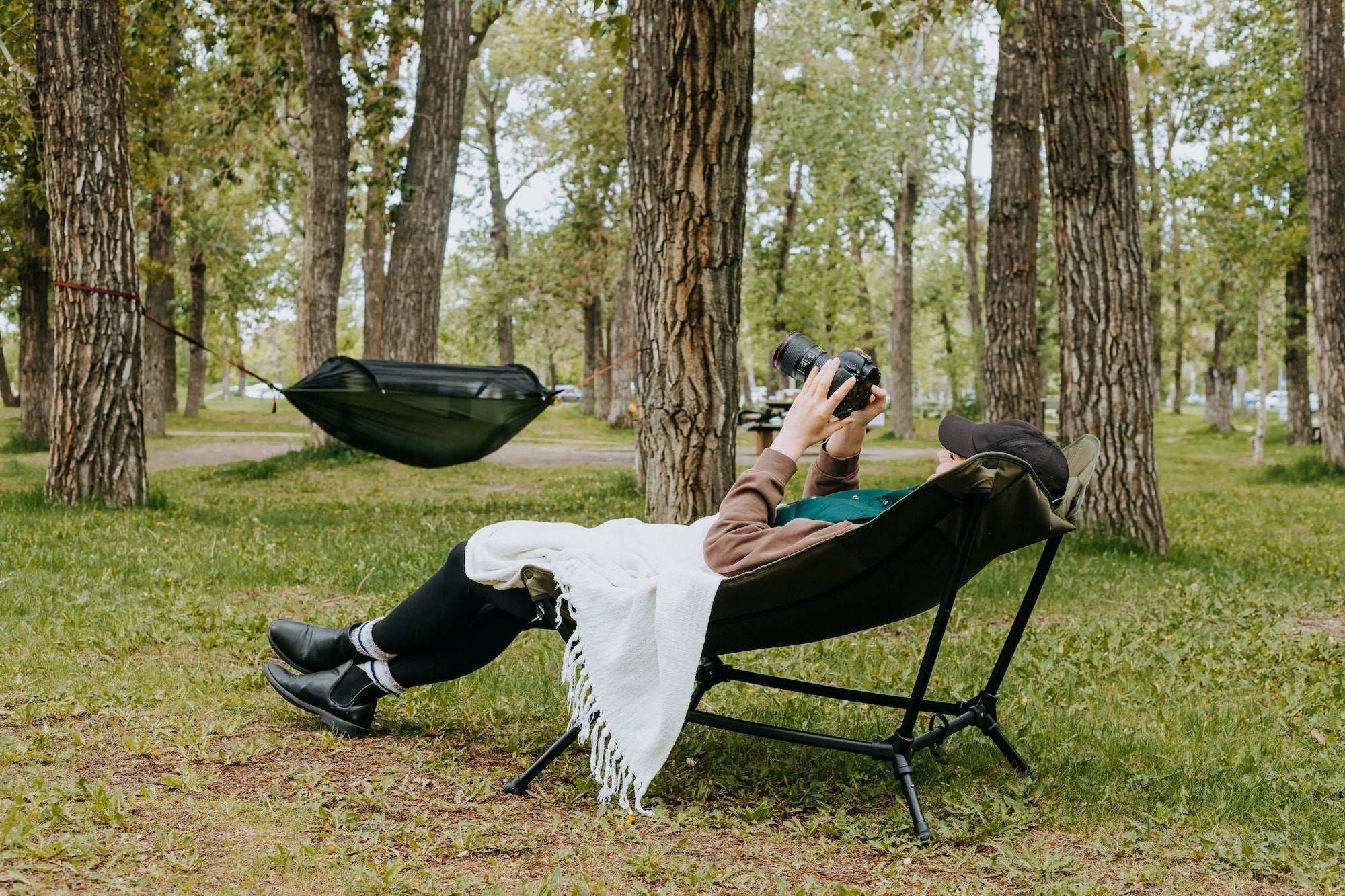
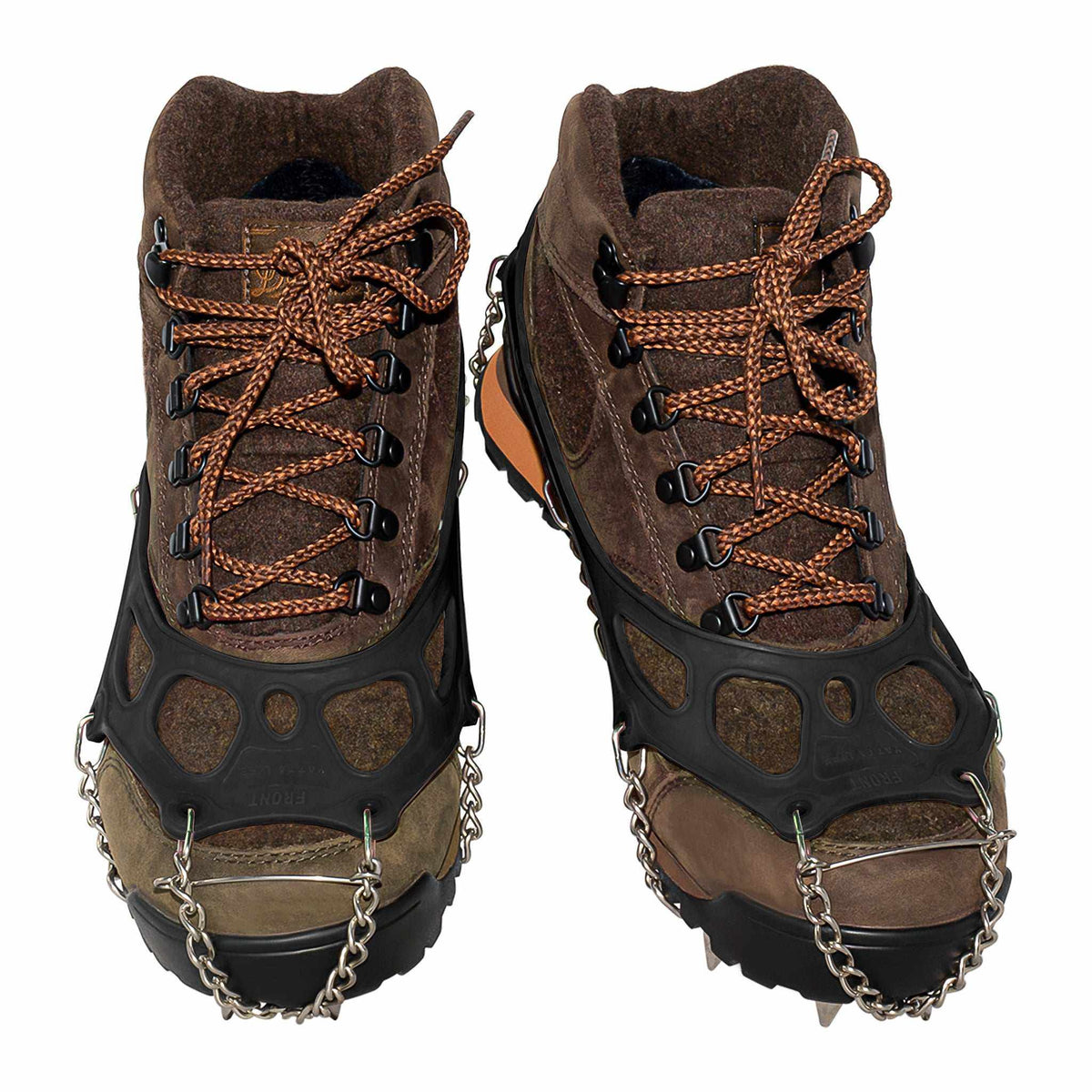
Quick answer: To walk your dog safely on ice, use a short, fixed-length leash (not a retractable one), never wrap the leash around your fingers or wrist, stick to salted or sanded routes, and wear ice spikes or ice cleats so a sudden pull doesn't take your feet out from under you. When you get home, wipe your dog's paws to remove road salt.
Every other winter walk is optional. You can skip the grocery run, drive to work or postpone the hike. The dog walk is different: it happens twice a day, every day, in the dark at 7 a.m. and again at 9 p.m., right when sidewalks are at their iciest. And you're doing it while attached to an animal that might decide, without warning, that a squirrel is the most important thing in the world.
That combination of ice, darkness and a leash is why dog walking is one of the most common ways people get hurt in winter. Here's how to keep both of you safe.
Why dog walks are the riskiest walks of winter
Researchers at Johns Hopkins looked at U.S. emergency room data and estimated that more than 422,000 adults were treated for injuries from walking a leashed dog between 2001 and 2020. The yearly number climbed from about 7,200 to about 32,000 over that period. The most common injuries were finger fractures, traumatic brain injuries and shoulder sprains. Most happened the same way: the walker was pulled by, tangled in or tripped by the leash.
Older walkers have it worst. In that study, adults 65 and older were more than three times as likely to fall and more than twice as likely to break a bone as younger dog walkers. A separate study from Penn Medicine, published in JAMA Surgery, found that fractures in Americans 65+ linked to walking leashed dogs rose 163% between 2004 and 2017, and the hip was the single most commonly broken bone. Women made up about three-quarters of the injured walkers in both studies.
These are U.S. numbers, and they cover all seasons. Now add a Canadian winter. On dry pavement, when your dog lunges you take a quick step and catch yourself. On ice, that catch-step slides out too, and both your hands are busy with the leash, so you can't break your fall properly. The pull that would be a stumble in July becomes a fall in January.
None of this means you should walk your dog less. Daily walks are great for both of you. It means setting yourself up so one lunge can't put you on the ground.
The leash setup that keeps you upright
Put the retractable leash away until spring
Retractable leashes give your dog several metres of runway to build up speed before they hit the end. On ice, that sudden jolt is the last thing you need. The thin cord is also hard to grab with mitts on, and the lock button is fiddly with cold fingers. The Johns Hopkins researchers specifically recommended shorter, non-retractable leashes. A fixed leash of about 1.2 to 1.8 m (4 to 6 feet) keeps your dog close enough that a lunge is a tug, not a launch.
Never wrap the leash around your fingers or wrist
Finger fractures topped the injury list for a reason. A leash wrapped around your fingers turns into a tourniquet when a 30 kg dog takes off. Put your hand through the loop and grip the leash in your palm, then hold the middle of the leash loosely with your other hand. Keep your elbows bent and close to your body so your arms act like shock absorbers.
Use a front-clip harness for pullers
A harness that clips at the chest turns your dog sideways when they pull, instead of letting them throw their full weight forward. For strong pullers it can make a big difference on slippery days. Hands-free waist leashes are great for calm dogs, but if your dog lunges, a waist leash can pull you off balance from your centre with nothing to let go of. On icy days, keep the leash in your hand.
Practise "wait" and "leave it" before the ice arrives
The best fall is the one that never starts. A dog who stops on cue at curbs, crosswalks and the top of icy steps gives you a second to plant your feet. A few minutes of practice on a dry day pays off for the rest of the winter.
Plan an icy-day route
- Pick the boring route. Main sidewalks get salted and sanded first. Shortcuts across parks, side streets and unplowed paths stay icy for days.
- Avoid slopes, stairs and curb cuts. Downhills plus a pulling dog is the worst combination there is. Curb ramps and the bottom of stairs are often polished smooth.
- Watch the clock. Meltwater from the afternoon refreezes after dark and is at its worst early in the morning, often as black ice that looks like wet pavement. If you live in Calgary or southern Alberta, the day after a chinook is a classic refreeze day.
- Be seen. Canadian winter days are short, so most dog walks happen in the dark. A reflective leash, a light-up collar and a reflective strip on your jacket help drivers spot you both, especially when snowbanks hide you from the road.
- Shorten it on the worst days. On an ice-storm day, a 10-minute loop plus a sniffing game or puzzle feeder indoors is better than a 45-minute walk on glare ice.
Walk like a penguin (even if your dog won't)
The same technique that keeps you upright on any icy surface works with a dog, too. Bend your knees slightly, keep your weight over your front foot, take short, flat-footed steps and point your toes slightly out. Keep your dog on the side away from the road, and if they start to pull, stop and plant your feet rather than trying to keep walking. We cover the full technique, plus how to fall safely, in How to Walk on Ice Without Falling.
What to wear on your feet
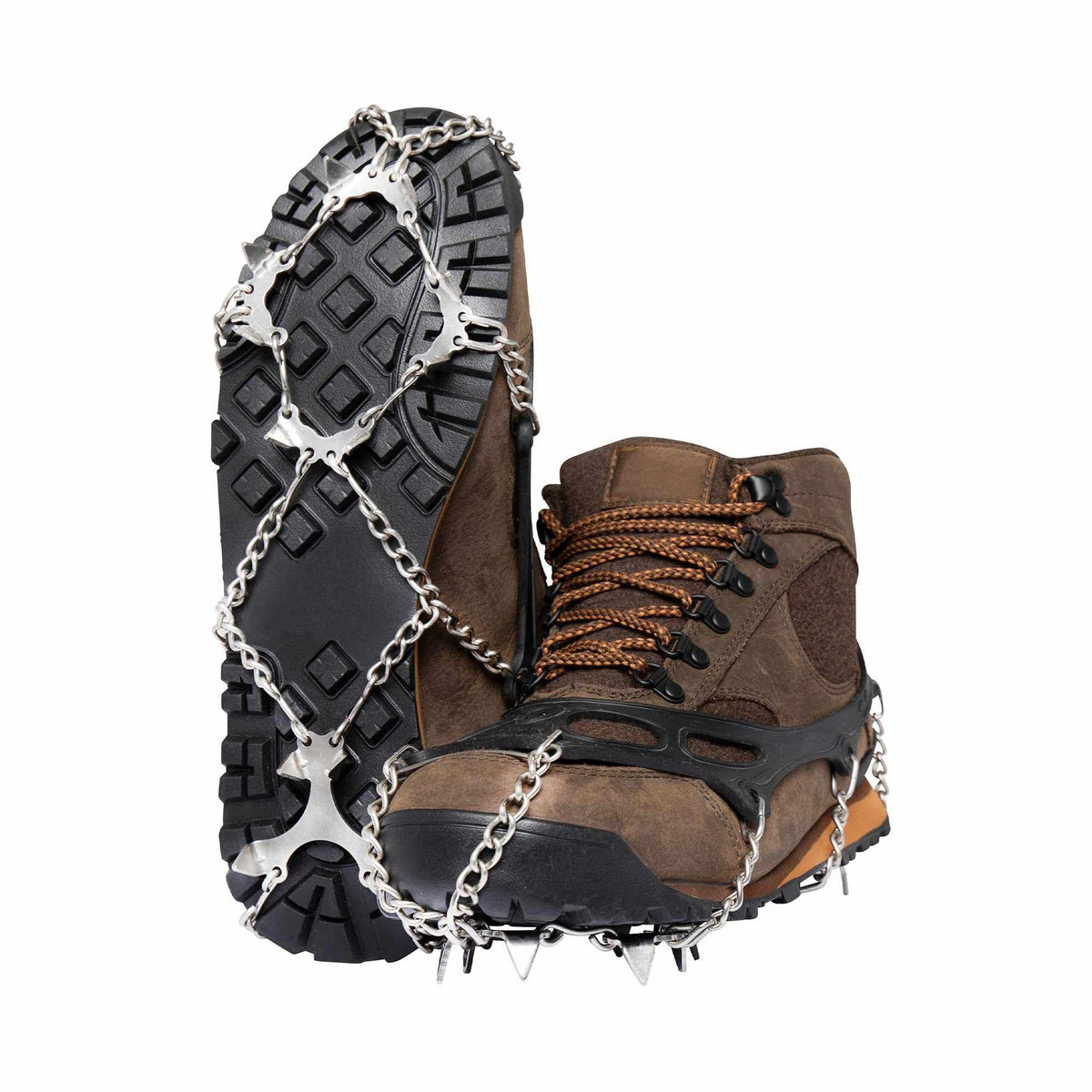
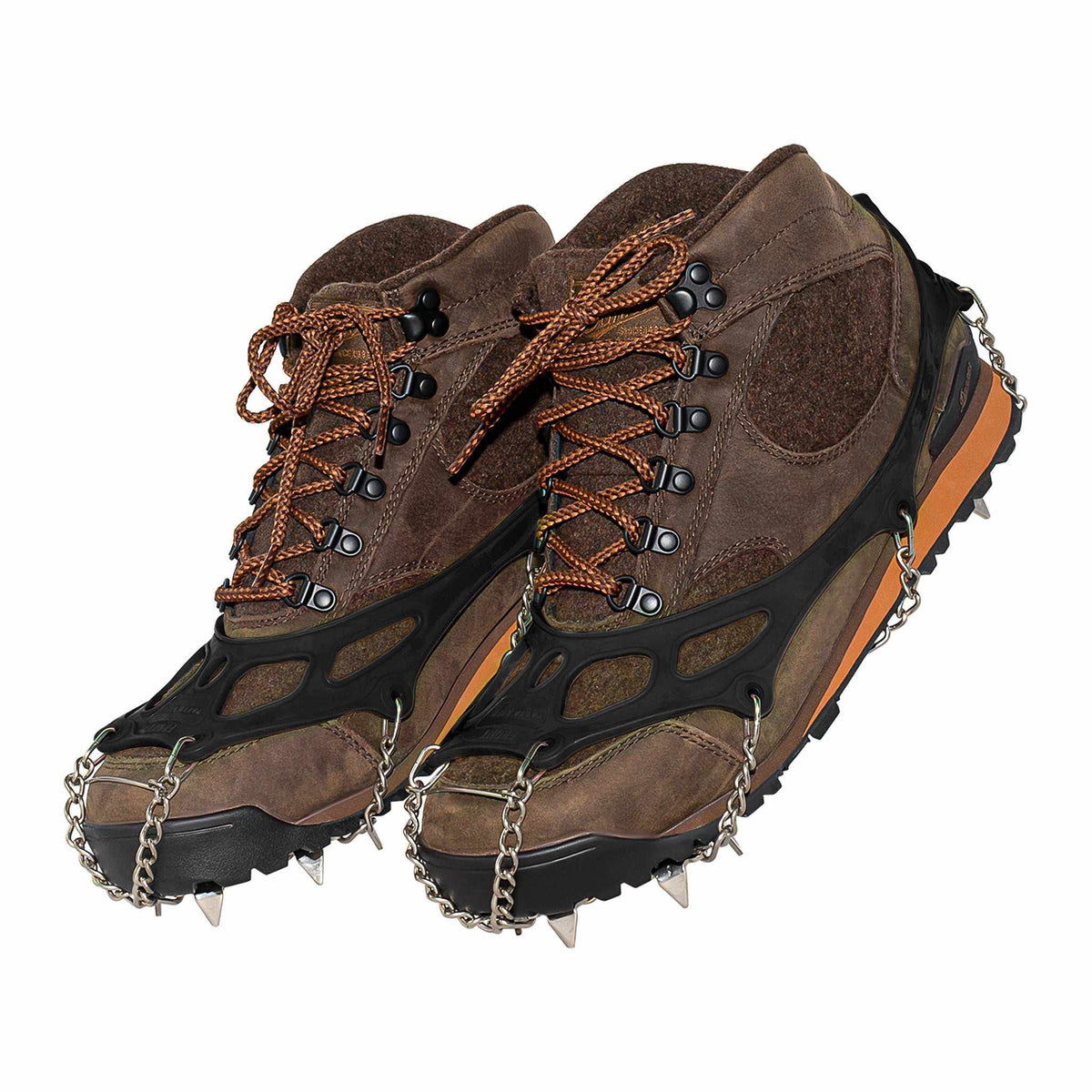
Here's the thing about technique: it depends on friction, and ice doesn't have much. When your dog yanks you sideways, the only thing that reliably stops your foot from sliding is something that bites into the ice. That's what ice cleats and spikes do. Here's how our range lines up for dog walkers:
| Your dog walk | What to wear | Why | Price (CAD) |
|---|---|---|---|
| Rutted ice, park paths, hills, off-leash parks | Ice Spikes | Our top pick for dog walkers: 15 mm stainless steel spikes on chains bite into rough, refrozen ice | $65.00 |
| A strong puller | Mount Tracks | 13 stainless spikes plus a Velcro strap that keeps them in place when you get pulled sideways | $60.00 |
| Quick loops on city sidewalks | City Spikes | Slip on at the door in seconds, small enough to keep in your coat pocket | $26.00 |
| Running with your dog | Trail Spikes | A flexible chain that moves with your stride on packed snow and ice | $80.00 |
| Slushy, wet walks | Winter Commuter Pack | City Spikes plus waterproof socks, so your feet stay dry and steady ($60.99 bought separately) | $55.00 |
| The kids walk the dog too | Family Winter Traction Pack | Ice Spikes, City Spikes and SureStep Kids cleats in one pack, about 10% off | $118.00 |
Sizing tip: choose by your regular shoe size, and if you'll wear the cleats over bulky winter boots, size up. Not sure? Our fitting guide walks you through it.
One habit worth building: take your cleats off at the door. Steel spikes are great on ice but slippery on tile and hard floors, and they'll scratch them too. Keep them by the leash hook so they go on every time the leash does.
Now protect their feet
Your dog has four-paw drive, so they handle ice better than you do. What winter really does to dogs is hurt their paws.
Road salt
According to the ASPCA's Animal Poison Control Center, rock salt can irritate dogs' paws, and if a dog swallows enough of it, it can cause dangerously high sodium levels. Canadian vets point out the sneaky part: dogs lick their feet after a walk, so the salt on their paws ends up in their stomach. The fix is simple:
- Wipe their paws after every walk with a warm, damp cloth, including between the toes and pads.
- Don't let them drink from slushy puddles or eat snow along salted roads.
- On your own driveway, use sand or a pet-friendly ice melt. These usually contain urea or magnesium chloride. Read the ingredients, though. The ASPCA notes there are no specific requirements for labelling a de-icer "pet safe".
- Watch for antifreeze. Puddles in driveways and parking lots can contain ethylene glycol, which tastes sweet to dogs and is extremely toxic.
Call your vet if your dog starts drooling, vomiting, shaking or acting unusually tired after a winter walk.
Ice balls, cracks and cold
- Trim the fur between their pads. Long fur collects snow that packs into painful ice balls.
- Try booties or paw wax. Booties give the best protection from salt and sharp ice. If your dog refuses them, a layer of paw wax before the walk helps.
- Check their paws for cracks and cuts, especially if they start limping or licking one foot.
- Watch the extremities in deep cold. The BC SPCA notes that dogs and cats are especially vulnerable to frostbite on the tips of their ears, tails and paws. Small, short-haired and older dogs feel the cold fastest, and a coat makes a real difference for them.
Your 30-second checklist before you head out
- Fixed-length leash, hand through the loop, nothing wrapped around fingers
- Front-clip harness if your dog pulls
- Ice cleats or spikes on (they live by the leash hook)
- Reflective gear or a light for walks in the dark
- Phone in your pocket, not in your hand
- Salted, lit, flat route chosen
- Towel by the door for paws when you get back
FAQ
Is it safe to walk my dog on ice?
Yes, with the right setup. Use a short, fixed-length leash, stick to salted and sanded routes, and wear ice cleats or spikes so a sudden pull can't knock your feet out from under you. Dogs usually handle ice better than people do, so the main risk is to you.
Should I use a retractable leash in winter?
We don't recommend it on icy days. A retractable leash lets your dog build up speed before hitting the end, which can jerk you off your feet. Researchers studying dog-walking injuries recommend shorter, non-retractable leashes.
What are the best ice cleats for dog walking?
For most dog walkers, Yatta Life Ice Spikes are the best choice. Their 15 mm stainless steel spikes grip rough, refrozen ice on sidewalks, park paths and hills. If your dog is a strong puller, Mount Tracks add a Velcro strap for extra hold. For short sidewalk loops, City Spikes slip on in seconds.
Is road salt bad for dogs' paws?
It can be. Rock salt can irritate paws and, if your dog licks enough of it off, cause high sodium levels. Wipe their paws after every walk, consider booties, and use a pet-friendly ice melt at home.
Do dogs need boots in winter?
Not every dog, but booties are the best protection against road salt, sharp ice and ice balls between the pads. They're especially helpful for small, short-haired and older dogs and in cities that use a lot of salt. Paw wax is a good alternative for dogs that won't wear them.
Can I wear ice cleats inside?
No. Take them off at the door. Metal spikes are slippery on tile and hard floors and can scratch them. Most slip-on cleats come off in a few seconds, and smaller ones like City Spikes fit in a coat pocket.
Need help choosing? Read our picks for the best ice cleats in Canada or the complete guide to winter traction, or browse all our ice cleats and spikes.
Sources: Johns Hopkins Medicine via EurekAlert!, leash-dependent dog walking injuries (2023); Penn Medicine, fractures in older adults walking leashed dogs, JAMA Surgery (2019); ASPCA, "Is It Safe to Use De-Icers Around Your Dog?"; CBC News; BC SPCA.

Leave a comment
All comments are moderated before being published.
This site is protected by hCaptcha and the hCaptcha Privacy Policy and Terms of Service apply.